
Michael Egger-Zikes
Trainer & Consultant, AngularArchitects.io | Austria
Talk
Managing a Multi Framework Application
So far, Webpack Module Federation helped with implementing such scenarios, however a change in the JavaScript ecosystem makes this challenge even harder: a new generation of build tools emerges and will very likely replace Webpack - a new API to compose a Micro Frontend architecture is required.
This talk will discuss the current challenges of Multi Framework solutions and demonstrates how to bring them together into one integrated UI by using build tools like esbuild and Native Federation.
About Michael Egger-Zikes
As an external (part-time) lecturer, he also teaches this topic at a university of applied sciences in Graz, Austria. The business informatics graduate has a lot of experience with software engineering and automating business processes.
Workshop
Modern Angular Architectures: Signals, Standalone, DDD & Micro Frontends
Manfred Steyer & Michael Egger-Zikes
We use Angular’s latest innovations in this interactive workshop to build a modern and maintainable architecture. We start with Standalone Components and learn how to structure a large application with them using a Mono Repo and Strategic Design – a discipline from Domain-driven Design (DDD). We discuss categorizing the individual parts of our application and how to enforce our architecture with tools such as Nx or Sheriff. On top of our Strategic Design, we implement a Micro Frontend Architecture with Module Federation.
Then, we discover how Angular’s new Signals fit our modern architecture. We discuss fine-grained change detection and implement options for state management with NGRX and Signals. Also, we show how to combine the simplicity provided by Signals with the power of RxJS for providing a reactive UX. Finally, we discuss how the new Signal component will help to simplify our architecture further and how they work together with traditional components.
a) Node.js installed
- LTS version or higher
- https://nodejs.org
b) Angular CLI
- npm install -g @angular/cli@latest
c) Test with “npm -v” and “ng v” from the command line whether npm and then Angular CLI work
d) Nx CLI
- npm install -g nx@latest
e) A modern browser like the current Chrome version
f) An IDE with Angular support like Visual Studio Code (free) or WebStorm/IntelliJ (commercial)
g) Please install git
- https://git-scm.com
- To clone the repo that I will provide at the begin of the workshop
h) We will use the following internet resources, so they need to be accessible for everyone:
- ANGULARarchitects.io (http://angulararchitects.io)
- npm Registry (https://registry.npmjs.org)
- GitHub (https://github.com)
Learn from the Best Featured Speakers

Noam Honig
Creator of Remult, remult.dev | Israel
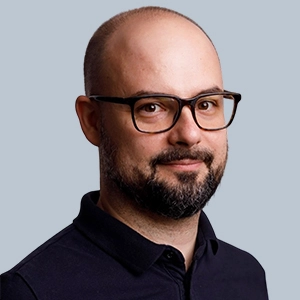
Marcin Hoppe
Principal Security Engineer , Okta | Poland

Arisa Fukuzaki
Developer Relations Engineer, Storyblok | Germany

Miško Hevery
Chief Technology Officer, Builder.io | USA
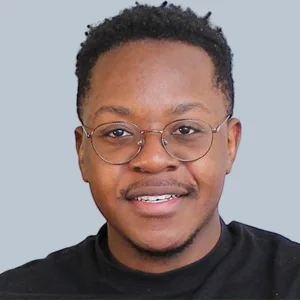
Daniel Phiri
Developer Advocate, Weaviate | France

Katarzyna Janus
Software Engineer, Digital Hub Warsaw, Bayer | Poland

Michael Hladky
CEO, push-based.io | Austria
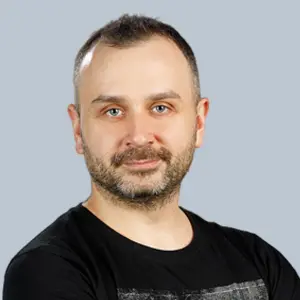
Tomasz Ducin
Independent Consultant, Architect, Developer & Trainer, Poland

Shani Geva
Frontend Software Engineer, Tech a Hike | Israel

Sebastian Gos
Development Manager, BEC | Poland
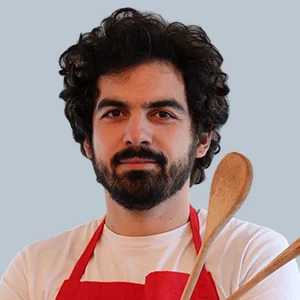
Younes Jaaidi
Software Development Cook, Teacher & Coach, GDE | France

Aureo Beck
Project Lead Developer, Irish Life Health | Poland

Maciek Palmowski
DevRel, Kinsta | Poland
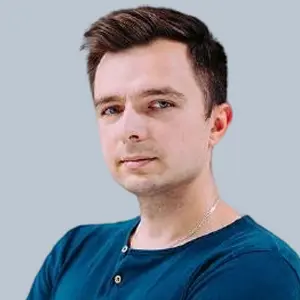
Mateusz Ostafil
Technology Evangelist, Divante | Poland

Hila Fish
Senior DevOps Engineer, Wix.com | Israel
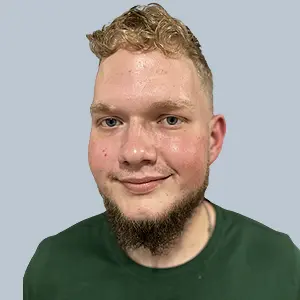
Bartosz Wasilew
Senior Software Engineer, G-Group.dev | Poland
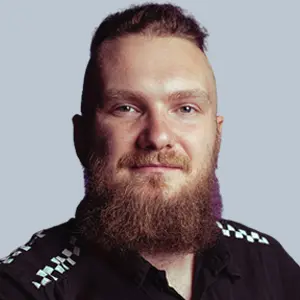
Petr Glaser
Founder, Nauč mě IT | Germany
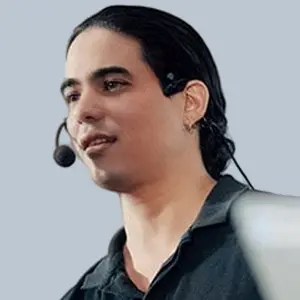
Nir Kaufman
Front End Tech Lead, Tikal | Israel
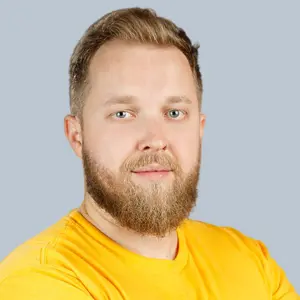
Alex Okrushko
Principal UI Architect, Cisco | Canada

Gerard Sans
Developer Evangelist for Web and Cloud, UK

Enea Jahollari
GDE, Trainer, Senior Software Engineer, Push-Based.io | Albania

Juan Herrera
Google Developer Expert, Austria
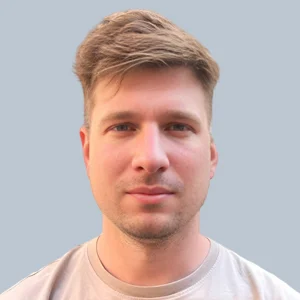
Artsiom Marozau
Software Engineering Team Leader, EPAM | Poland

Kamil Michalski
Front End Consultant and Trainer, Poland
Michael Egger-Zikes
Trainer & Consultant, AngularArchitects.io | Austria

Jakub Pawlak
Frontend Angular Developer, BEC | Poland
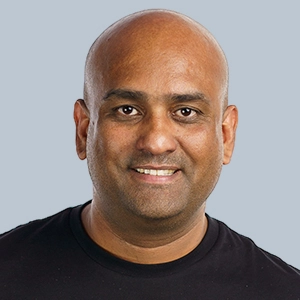
Dhananjay Kumar
Teacher and Consultant, ngIndia | India

Maciej Czerwiakowski
Independent IT Consultant, owner of 13DSGN.COM, Poland
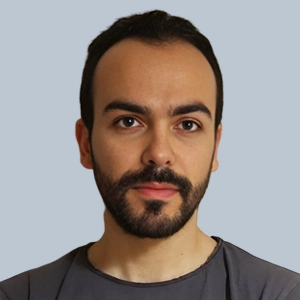
Fanis Prodromou
Google Developer Expert, CodeShotsWithProfanis | Greece

Anton Ilchenko
Software Engineering Team Leader, EPAM | Spain
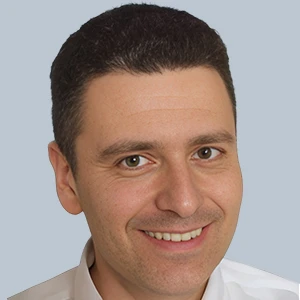
Paweł Kozioł
Lead Software Engineer, Digital Hub Warsaw, Bayer | Poland

Jakub Andrzejewski
Senior Developer, Vue Storefront | Poland
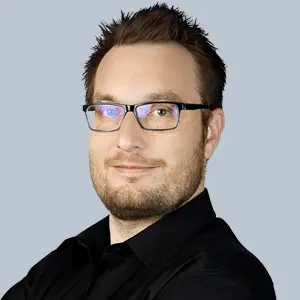
Manfred Steyer
Consultant and Author, softwarearchitekt.at | Austria


Companies that support our community
Our Sponsors
By becoming a sponsor of JS Poland you will get an excellent opportunity to showcase your
company and products to
1000 most active European developers.
Such exposure will definitely help you to generate interest in your company, as well as allow
you
to find new business partners and potential employees.
To learn more about our sponsorship offer, please fill in the form.
Gold Sponsor

Gold Sponsor

Gold Sponsor
Gold Sponsor

Silver Sponsor

Silver Sponsor

Silver Sponsor

Special Sponsor

Special Sponsor

Special Sponsor

Special Sponsor

Special Sponsor

Join our mailing list
Sign up to receive updates about JS Poland, including workshops, speaker previews, ticket launches, JS Awards, JavaScript Master Podcast, Behind the Code Magazine, CFP details and other exclusive content. We won’t spam you and will only send you emails we genuinely think you’ll find interesting. You can unsubscribe at any time and you can find more information here.